Yes, it hurts. But probably not as much as you think, and not for as long as you're scared it will.
I'll be straight with you. Not long ago I scared myself out of a tattoo. I was in a hotel the night before a big session on my own chest, and I posted a simple question to my followers: where does a tattoo hurt the most? The messages came flooding in, full of horror stories. By the next morning I was so nervous I asked my artist if we could skip the worst bit. We didn't. A bit of numbing cream, half an hour, and I barely felt it. The thing I was scared of for twelve hours was over before I noticed.
That's tattoo pain in one go. The fear is almost always worse than the real thing.
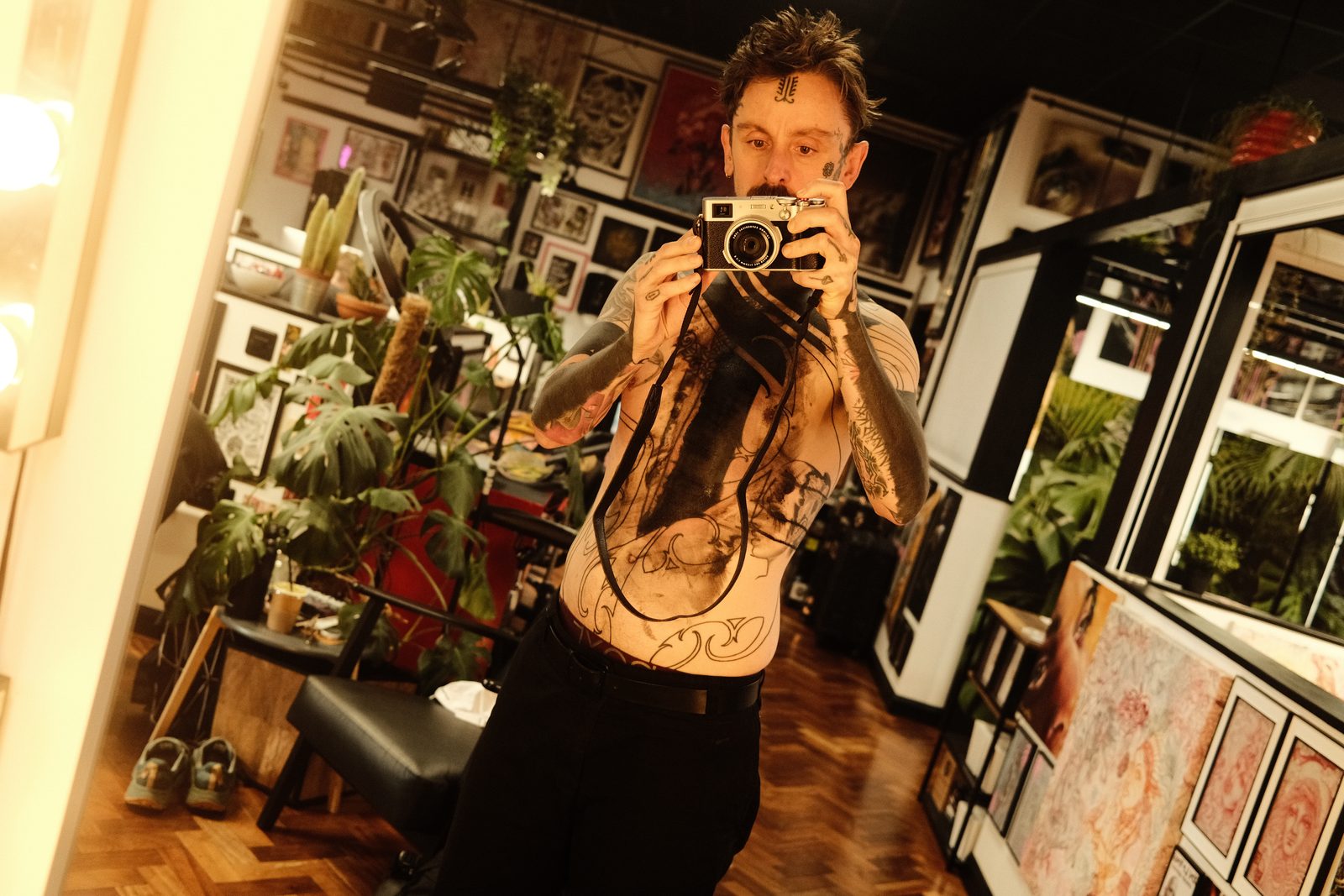
But I got over a hundred replies to that question, and some of them were brilliant. So here's the real answer to "does it hurt", straight from people who've actually sat through it, plus what I know from tattooing every part of the body myself.
The spots everyone agrees are the worst
Ribs. This one came up the most. "Felt like a left right hook from Mike Tyson." "Made my entire insides vibrate." One person did a 14-hour rib piece over two days and called it "pure agony." My own ribs were the worst tattoo I've ever sat through. Thin skin straight over bone, no padding, and every breath moves it. It's not a pleasant one. But how bad it gets really depends on the style and the artist, more on that below.
The sternum. Right there with the ribs. "Couldn't breathe from the shock." "Felt like a scalpel cutting me open." Bone-deep and sharp.
The back of the knee. This is the one people don't see coming. My favourite reply: "I thought I was fine, then he said, I need to shade it now." Another one: "closest I've come to throwing up." The kneecap itself is actually fine, but the back and sides of the knee are thin skin sitting right over two of the body's bigger nerves. That's why it's so sharp, and why the zap can travel down your leg.
And loads of people said the same strange thing about the calves and the back of the lower leg: "like zapping nerves the whole time, and I couldn't stop the twitches." "I lost my soul with both sides." That twitch is your nerves firing on their own. You can't stop it, and it drives people mad.
The nipple. The replies on this one were something else. "Like being electrocuted." "Like hot pokers." And the one that stuck with me: "felt like my actual lungs were being tattooed. Normally a tattoo is surface level, but that felt internal and horrific." It's one of the most nerve-dense spots on the body, so it's exactly as intense as it sounds. I've had mine done, and I numbed it for that one (more on numbing cream below). It healed completely normally, exactly the same as the skin around it. A bit sensitive right after, but nothing different to any other tattoo.
Hands, fingers and palms. "Like being cut open with a rusty blunt knife." Your palms are built to feel, so they're packed with more nerve endings than almost anywhere. They also need deep work to hold the ink. Fingers came up over and over too. I've got the tops of my hands and my fingers done, and that was painful but manageable. The part I really hated was near my wrists, I've got skinny, bony wrists, and anything close to them was agony. Manageable agony, but agony all the same.
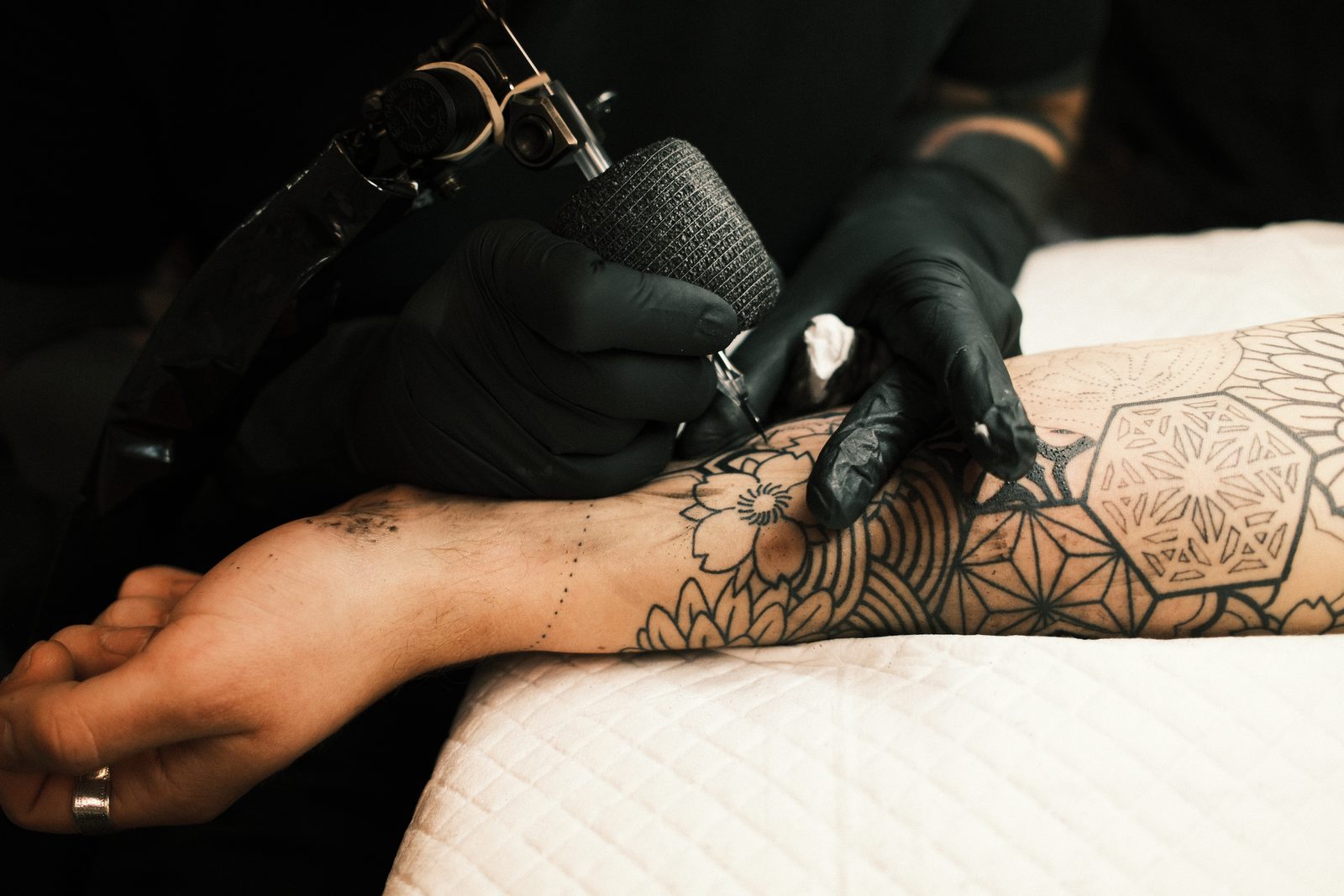
The inner arm and elbow. Best description of the whole lot: "Satan and all his little helpers digging with burning pitchforks." Soft, stretchy skin, close to nerves. Sharp, but small, so it's over fast.
A few others people flagged: the inside of the ankle ("like someone cutting it slowly with a blade"), the lower back and kidney area (your whole back tenses up on its own, you can't keep still), and shoulder blades, one person told me they pass out every single time, three minutes in.
So what actually makes the difference?
It's not just the spot. It's your artist, and how long you're sitting.
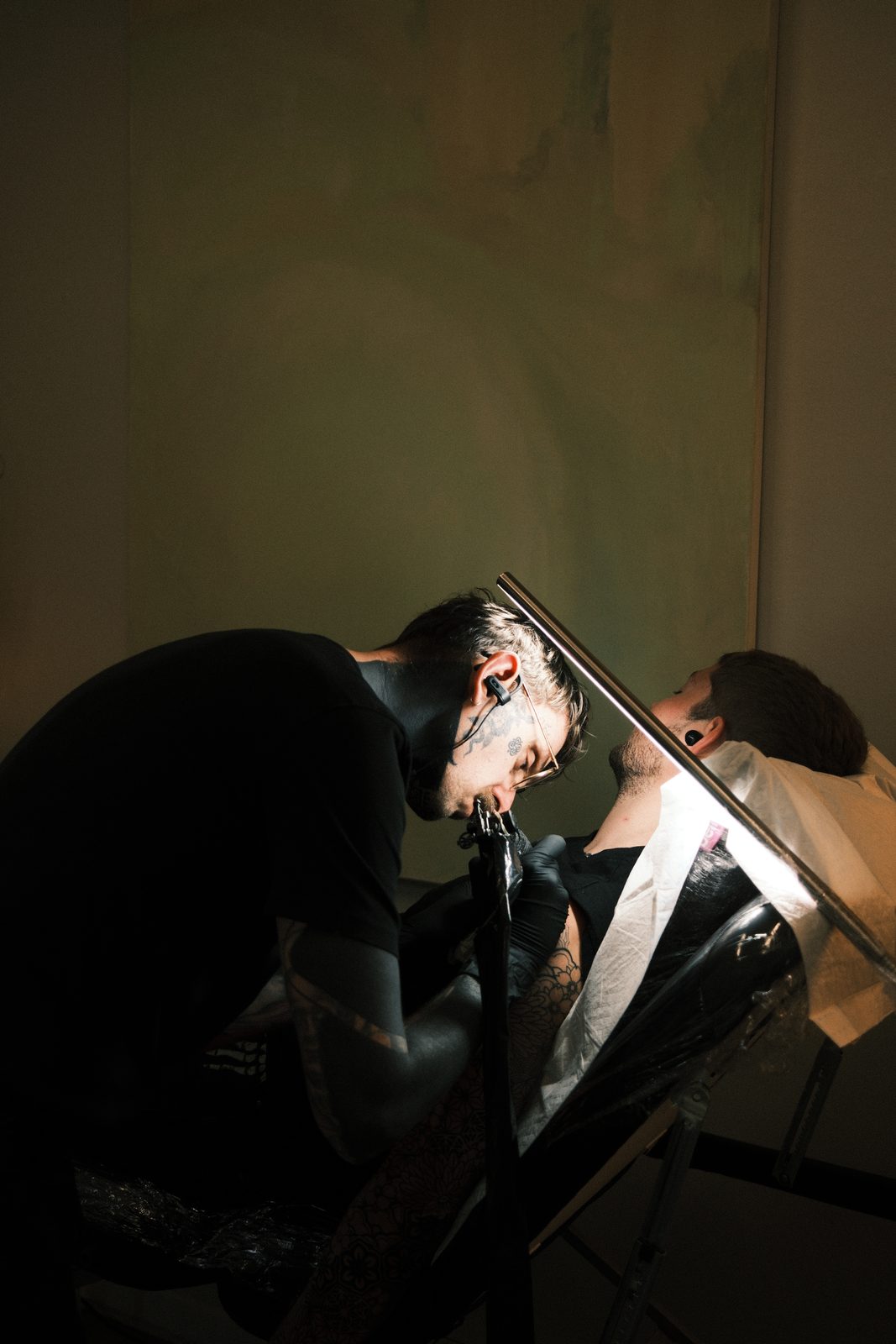
The pain adds up. After a few hours, everywhere starts to hurt more. So a good artist does the worst areas first, while you're fresh, and gives you breaks. I work fast, which helps a lot. A slow, heavy-handed artist on a painful spot for eight hours is a completely different experience to a fast one who knows what they're doing.
And the fear does most of the damage. Eat before you come, get some sleep, drink water, and breathe through the sharp bits. The people who prepare have a much easier time than the ones who turn up running on empty and brace for the worst.
Drinking plenty of water and taking electrolytes keeps your body properly hydrated, and it makes a real difference, the session is easier to sit through, and the healing is much easier too. If you want to know more about looking after a fresh tattoo, I've written a full guide on how to heal a blackwork tattoo.
One more thing on numbing cream, because people always ask. I've used it myself. But I won't recommend it to anyone, I've heard of people having healing problems with numbing creams, so it's a decision everyone has to make for themselves. If you do use it, read up properly first and be careful with it.
The least painful places
If it's your first one and you're nervous, start easy. The outer arm and forearm are the most comfortable. The outer thigh and calf are kind too. Build up from there.
Pain isn't the only thing worth thinking about when you pick a spot, though. I've written more on where to get your first tattoo, and why the bigger question is what that whole arm looks like in five years.
Want to talk about a tattoo?
I do blackwork and geometric work from a private studio in Clifton, Bristol, sleeves, backs, blackouts, cover-ups and blast-overs. If you're planning something, book a free consultation or take a look at the work. I'm always happy to help.
Common questions
Does a tattoo hurt more than people say?
Usually less. For most spots it's a hot, scratchy feeling; the bad spots are sharp but over quick.
What is the most painful place to get a tattoo?
The ribs and sternum, the back of the knee, the hands and palms, and nerve-dense spots like the nipple. It varies from person to person.
What is the least painful place to get a tattoo?
The outer arm and forearm, outer thigh and calf. Soft areas with muscle under them.
Does a bigger tattoo hurt more?
Not more intense, just longer. The pain adds up over a long session. A fast, experienced artist makes a big difference.
How can I make my tattoo hurt less?
Eat, sleep and drink water beforehand, take the breaks, breathe through the sharp parts, and go to an experienced artist who works fast and clean.